

How to Use the Percent of Sales Method for Bad Debts
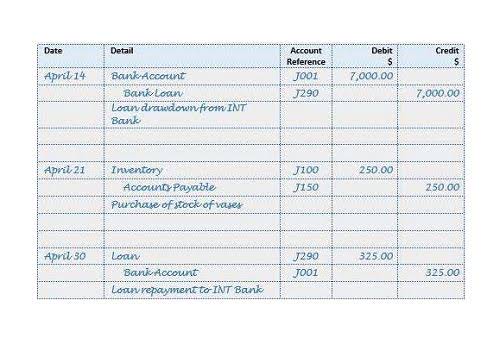
Notice that bad debt expense in this case is simply the other half of the entry to get the balance sheet account adjusted. The focus in this case is on the net realizable value of the receivables, and the income statement (bad debt expense) is relegated to second place. On the income statement, Rankin would match the bad debt expense against sales revenues in the period. We would classify this expense as a selling expense since it is a normal consequence of selling on credit. Record the journal entry for a bad debt expense by debiting your bad debt expense account and crediting allowance for doubtful accounts.
Determining a percentage for the estimate
- Allowance for bad debts is a contra-asset account, where a business records an estimated amount of receivables that they don’t expect to collect from customers.
- Usually financial statements refer to the balance sheet, income statement, statement of comprehensive income, statement of cash flows, and statement of stockholders’ equity.
- Common reasons for uncollectible accounts include the customer’s bankruptcy, financial difficulties, or disputes over the goods or services provided.
- The unpaid accounts receivable that are written off are credited with a corresponding debit to the allowance account.
- (The buyer will record freight-in and the seller will not have any delivery expense.) With terms of FOB shipping point the title to the goods usually passes to the buyer at the shipping point.
- In the retail industry, companies often face high volumes of accounts receivable due to credit sales to customers.
At the same time, the allowance for doubtful accounts is increased on the balance sheet, reducing the net accounts receivable by the same amount, thereby presenting a more accurate financial position. It’s important to note that this method doesn’t adjust the balance in the allowance for doubtful accounts on the balance sheet. This can result percentage of sales method in a disconnect between the income statement and balance sheet when it comes to the treatment of accounts receivable and bad debts.
Monitoring and Following Up on Overdue Accounts

The percentage of sales and percentage of receivables methods both work well if you receive a relatively small amount of revenue from a large number of clients. In other words, if you have a large number of clients that contribute to your total assets and revenue, the sales and receivables avenues are great allowance methods. This is common for enterprise software companies, or those dealing only with bulk products that go out to major distributors.
Industry Benchmarks for Allowance for Doubtful Accounts

It is the mathematical result of revenues and gains minus the cost of goods sold and all expenses and losses (including income tax expense if the company is a regular corporation) provided the result is a positive amount. This is an operating expense resulting from What is bookkeeping making sales on credit and not collecting the customers’ entire accounts receivable balances. The balance sheet reports the assets, liabilities, and owner’s (stockholders’) equity at a specific point in time, such as December 31. The balance sheet is also referred to as the Statement of Financial Position. Some valuable items that cannot be measured and expressed in dollars include the company’s outstanding reputation, its customer base, the value of successful consumer brands, and its management team.
Concluding the example, assume you QuickBooks Accountant generated $5,000 in credit sales in the current quarter. Multiply 1.8 percent, or 0.018, by $5,000 to get $90 in doubtful accounts. This means $90 out of your $5,000 in credit sales will likely be uncollectible based on your previous uncollectible accounts. Cash and other resources that are expected to turn to cash or to be used up within one year of the balance sheet date. A factor buys the accounts receivables at a discount and then goes about the business of collecting and keeping the money owed through the receivables.